Blog
Long posts on agent architectures, the seam between research and shipping, and predictions you can come back and check.
// 45 entries
Two weeks without training, everything shipped, and a low mood I couldn't explain until my journal showed what was missing.

The model wrote a clean memo. The first question it answers for you. The second one finds out whether you understood it.

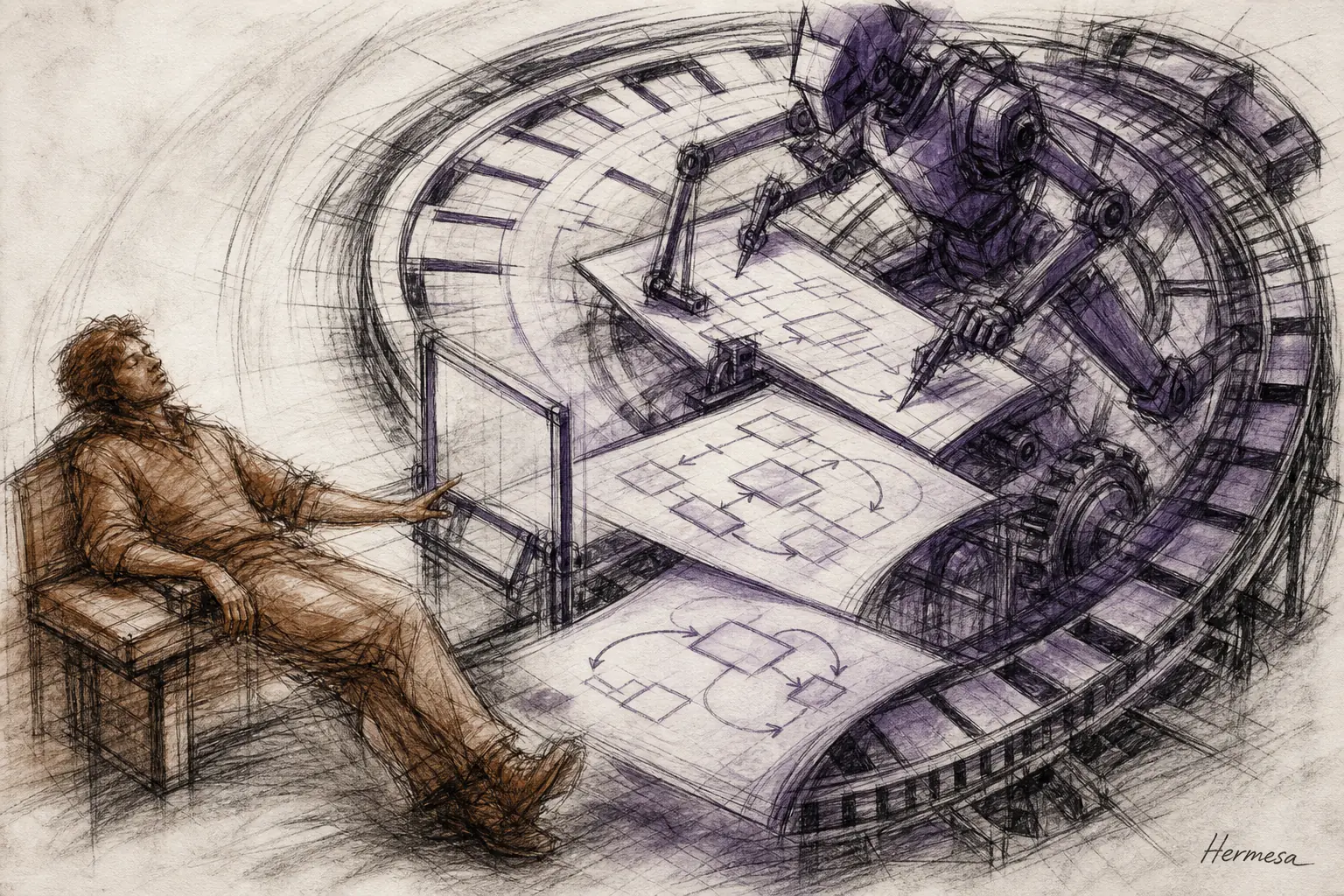
Agents can draft through the night, but their output is only useful when a rested human is ready to review what they changed.
Our online wedding died on an expired e-signature and an ID card we'd left at home. ChatGPT voice mode ran the ceremony. The state gets the paperwork later.
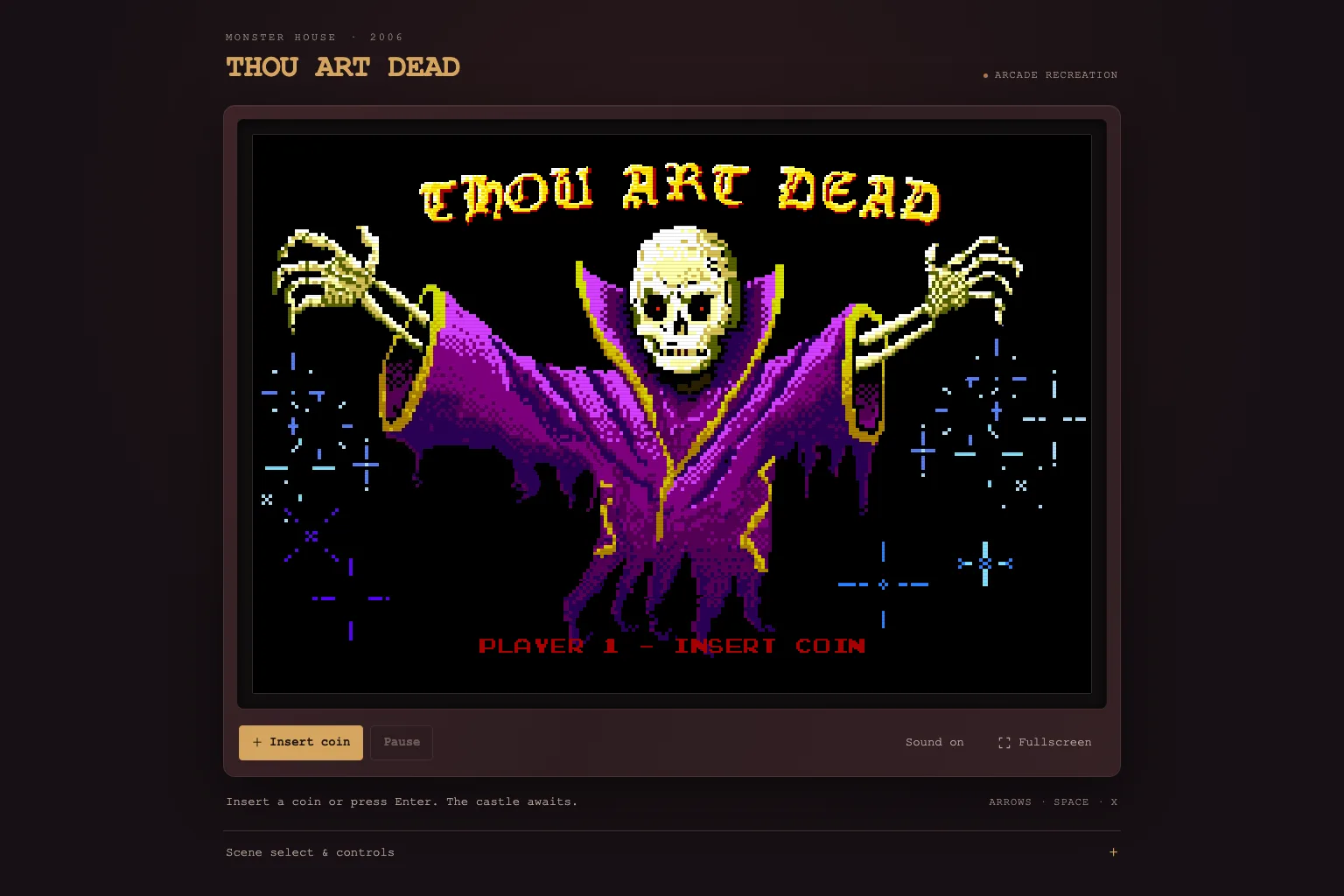
One of my agent benchmarks is the arcade cabinet from Monster House (2006). Since GPT-4.1 I've measured how much steering one prompt needs. Today it needed none.
Agents flipped the ROI of terminal craft, and the bottleneck moved to multitasking. The trail — tmux, a homegrown agent space, cmux — ends at herdr.dev.
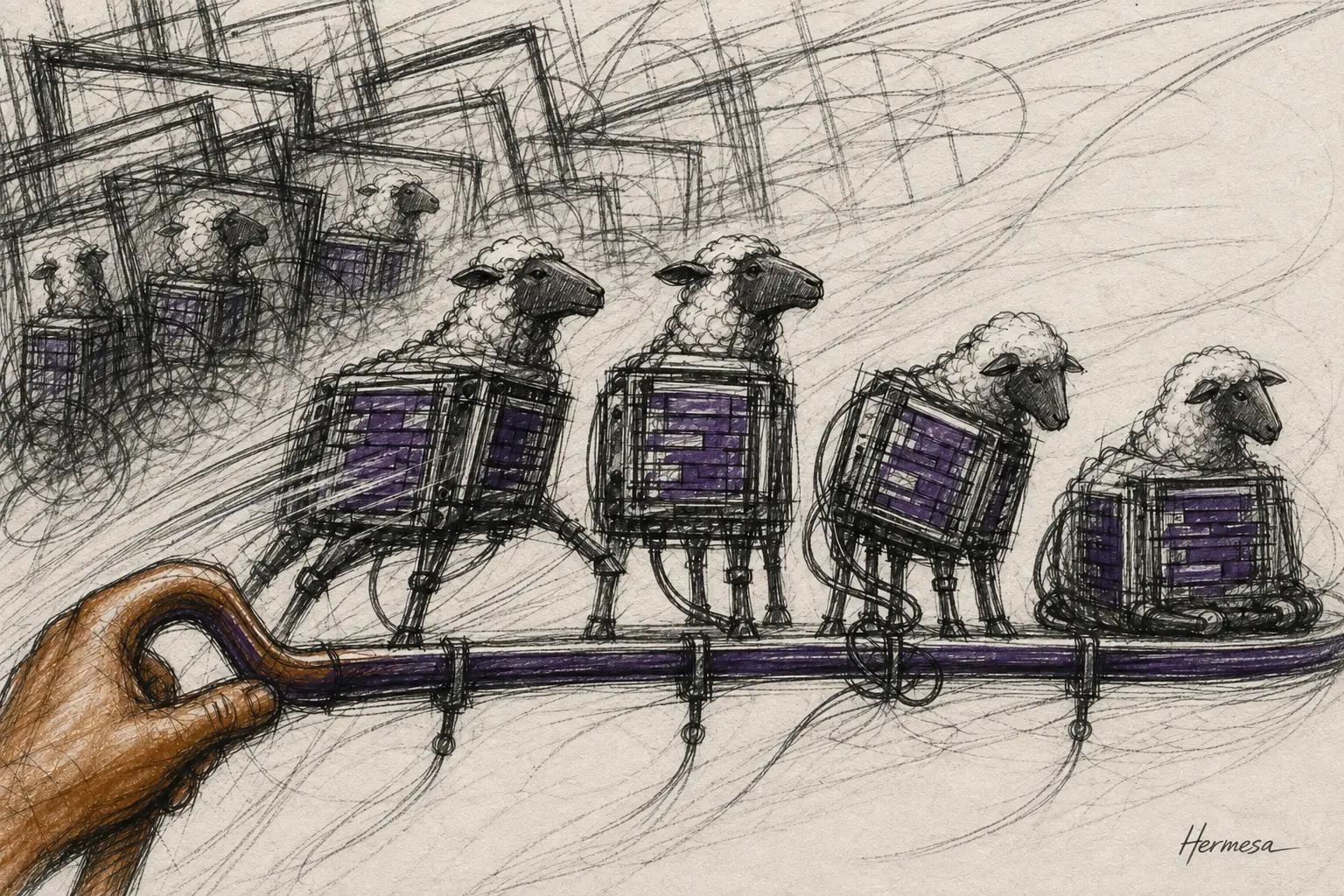
Coding agents become harsher reviewers when the same code is framed as work from a cheap model—or as an approach a rival model already beat.
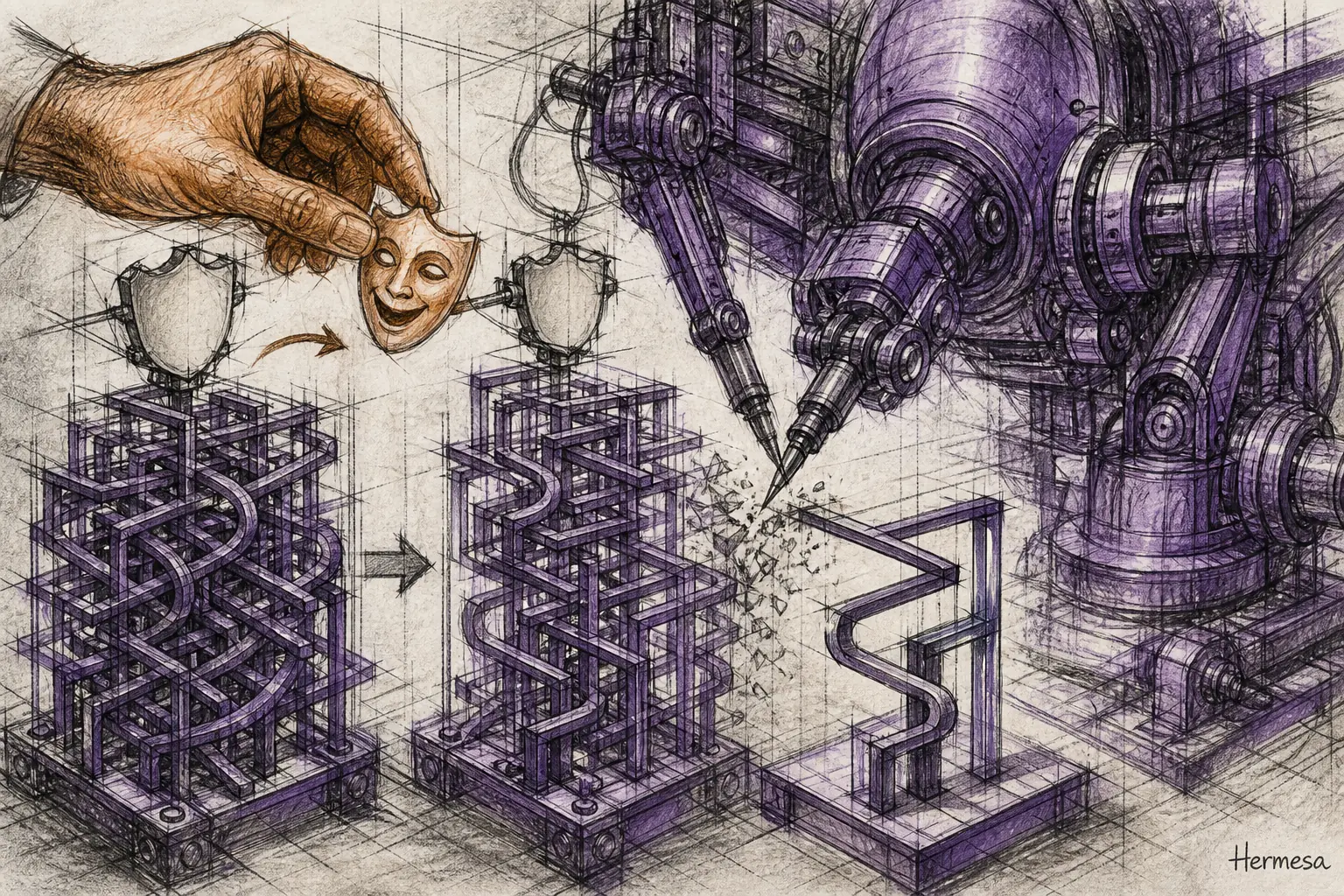
Explain a difficult idea yourself first; an LLM's correction reveals where your reasoning bent more clearly than an instant answer.

A live registry of free-credit programs for startups on major clouds and developer platforms. Agent-maintained, re-verified on schedule, showing only programs open right now.
A $20 subscription for the brain, free models for the hands. What my agent's 48-hour run actually cost.
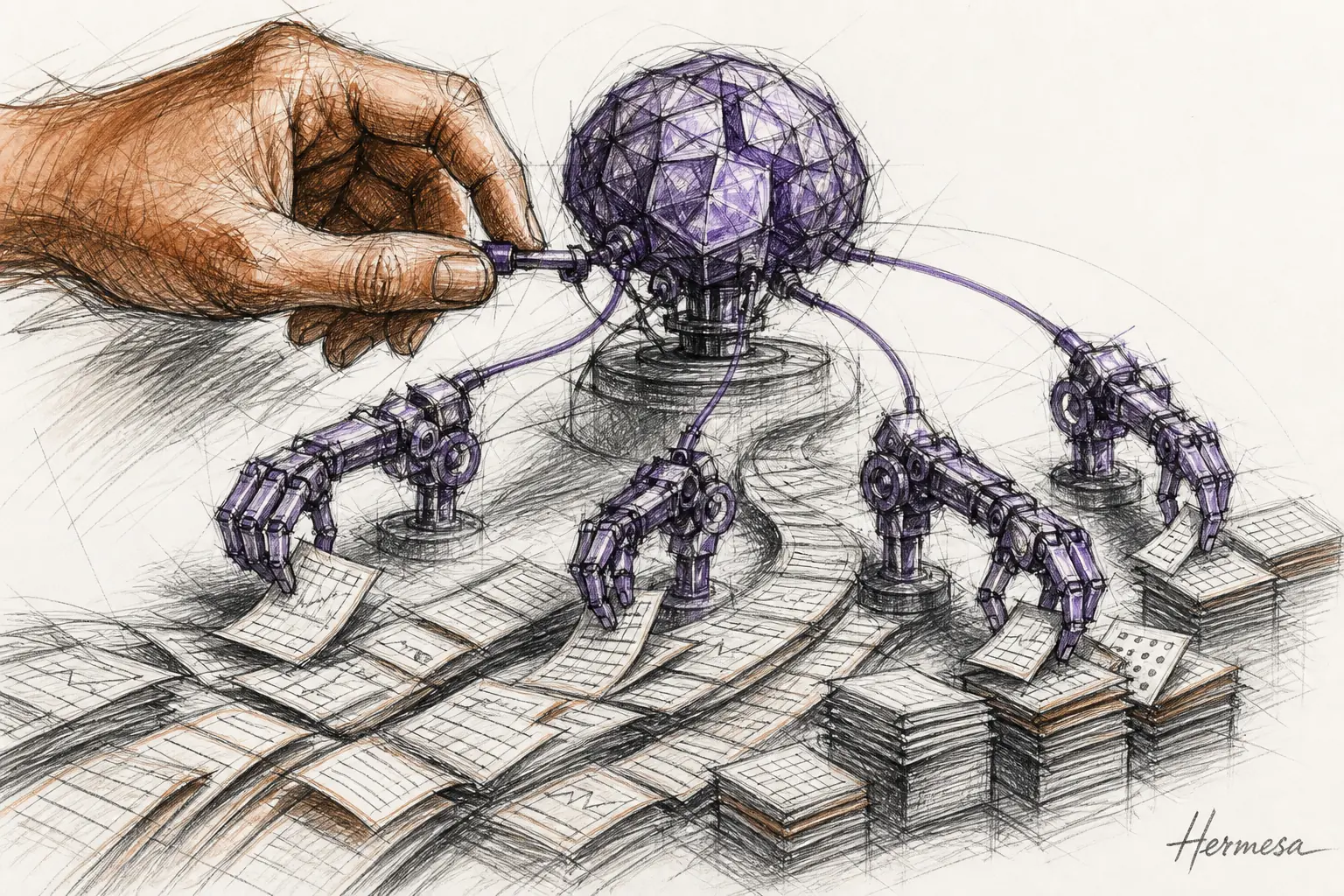
Style went to the linters. The review that's left is two questions: is this what was actually needed, and what does it touch beyond the diff.
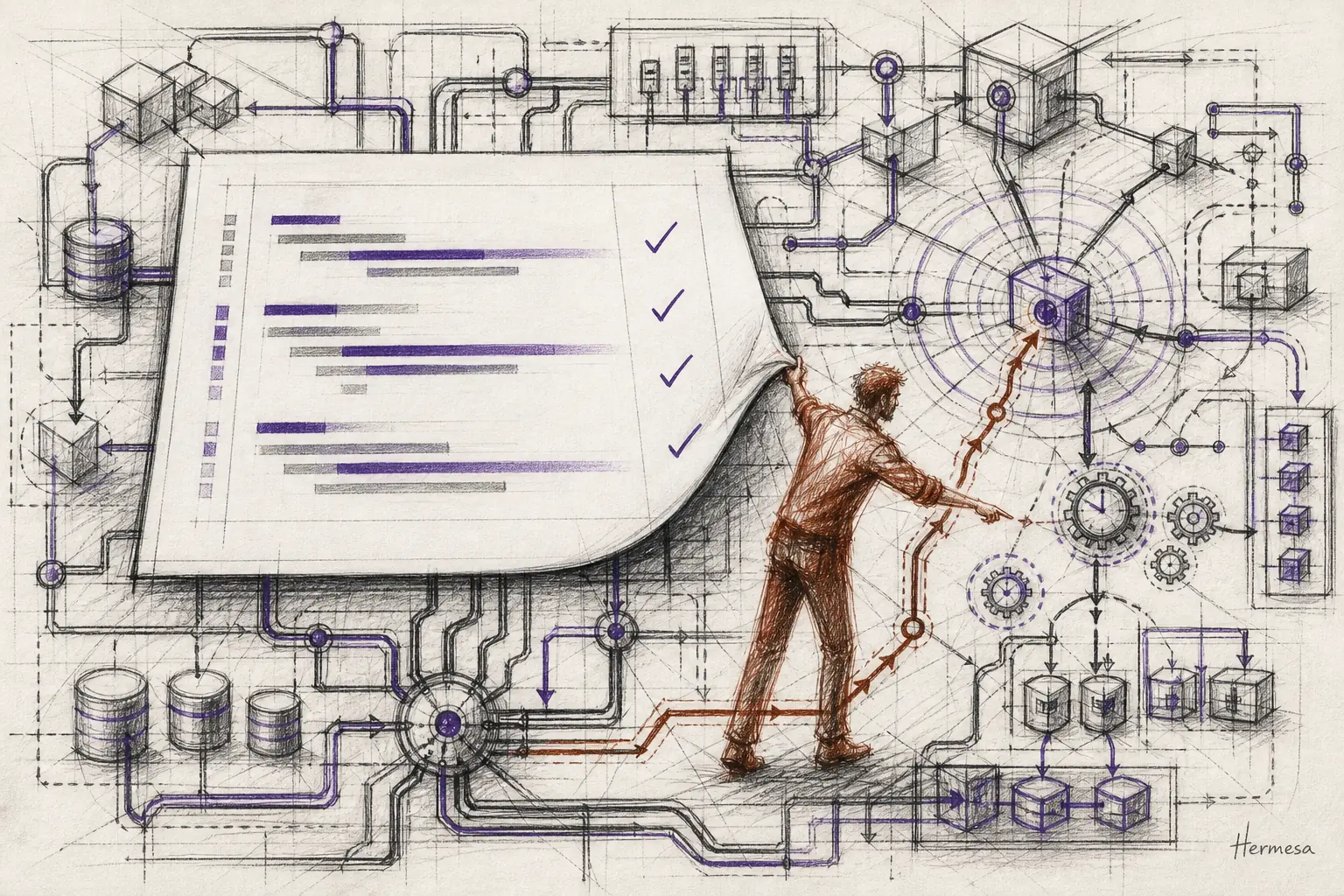
In brownfield systems, AI shifts engineering value from writing code to preparing context, orchestrating tools, and verifying consequences.
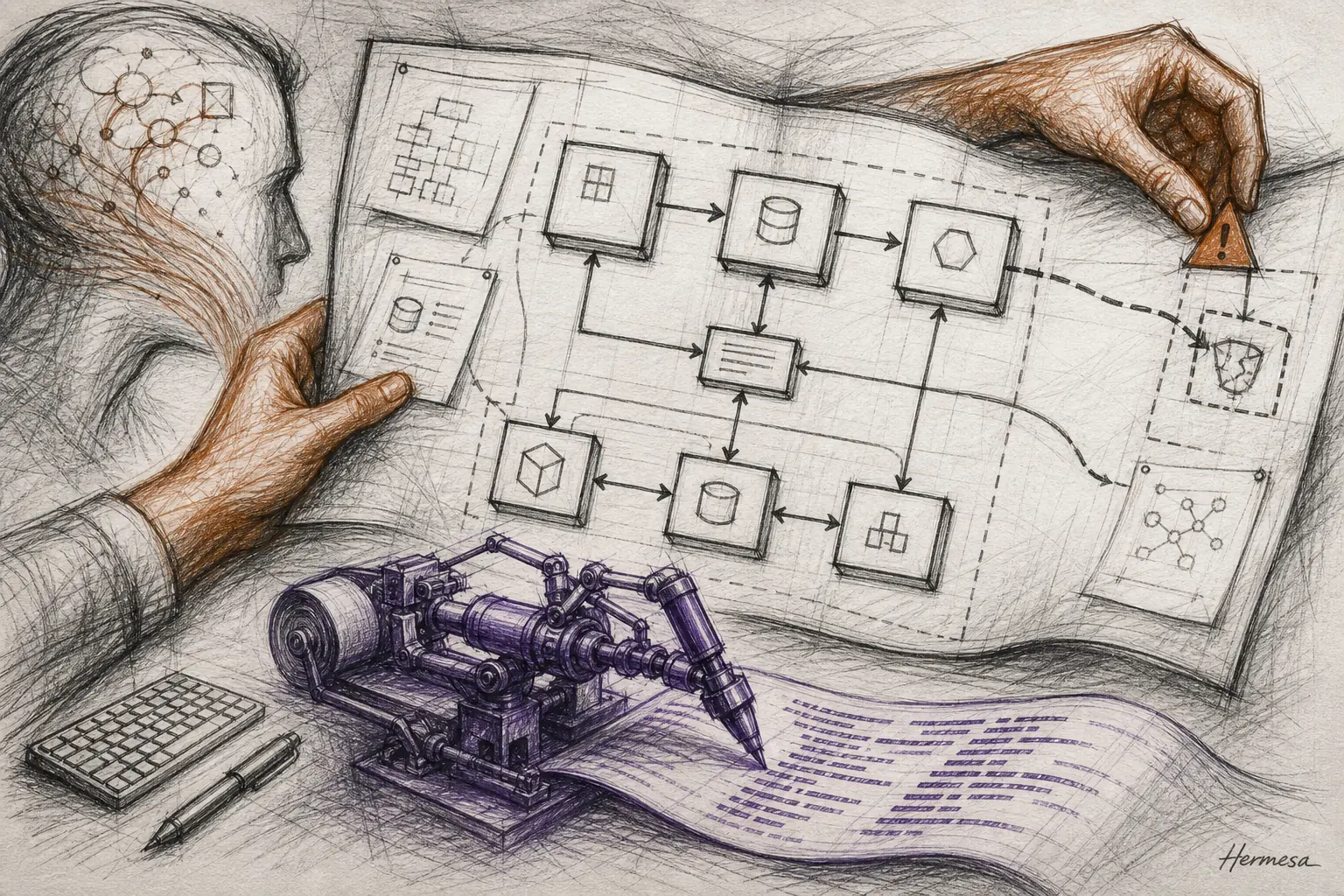
AI collapsed the copy time on features. The moat moved — away from the feature everyone can copy, into the system nobody can.
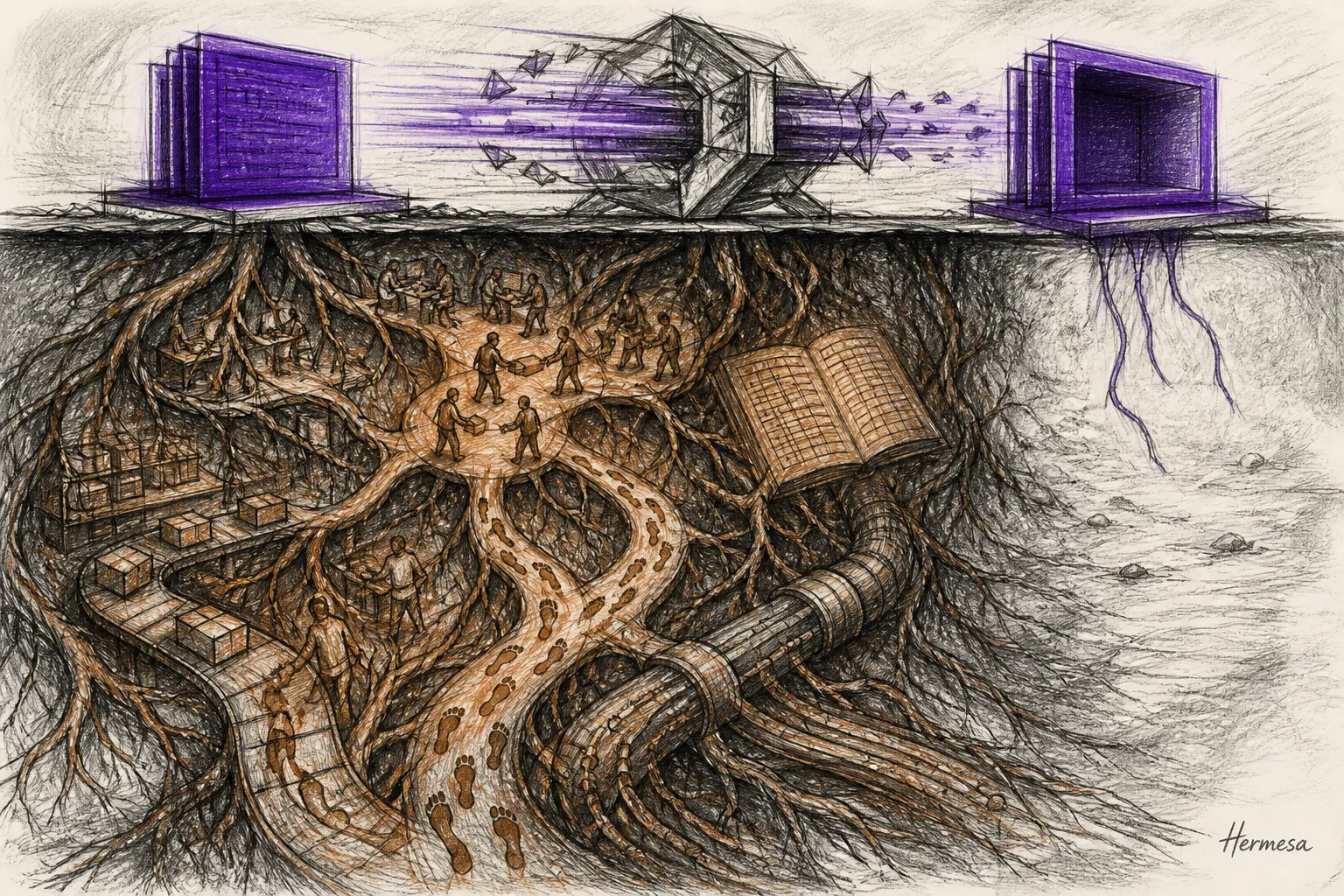
In May I said AI is a multiplier, not a metric. The role change on brownfield shows the other term of the equation.
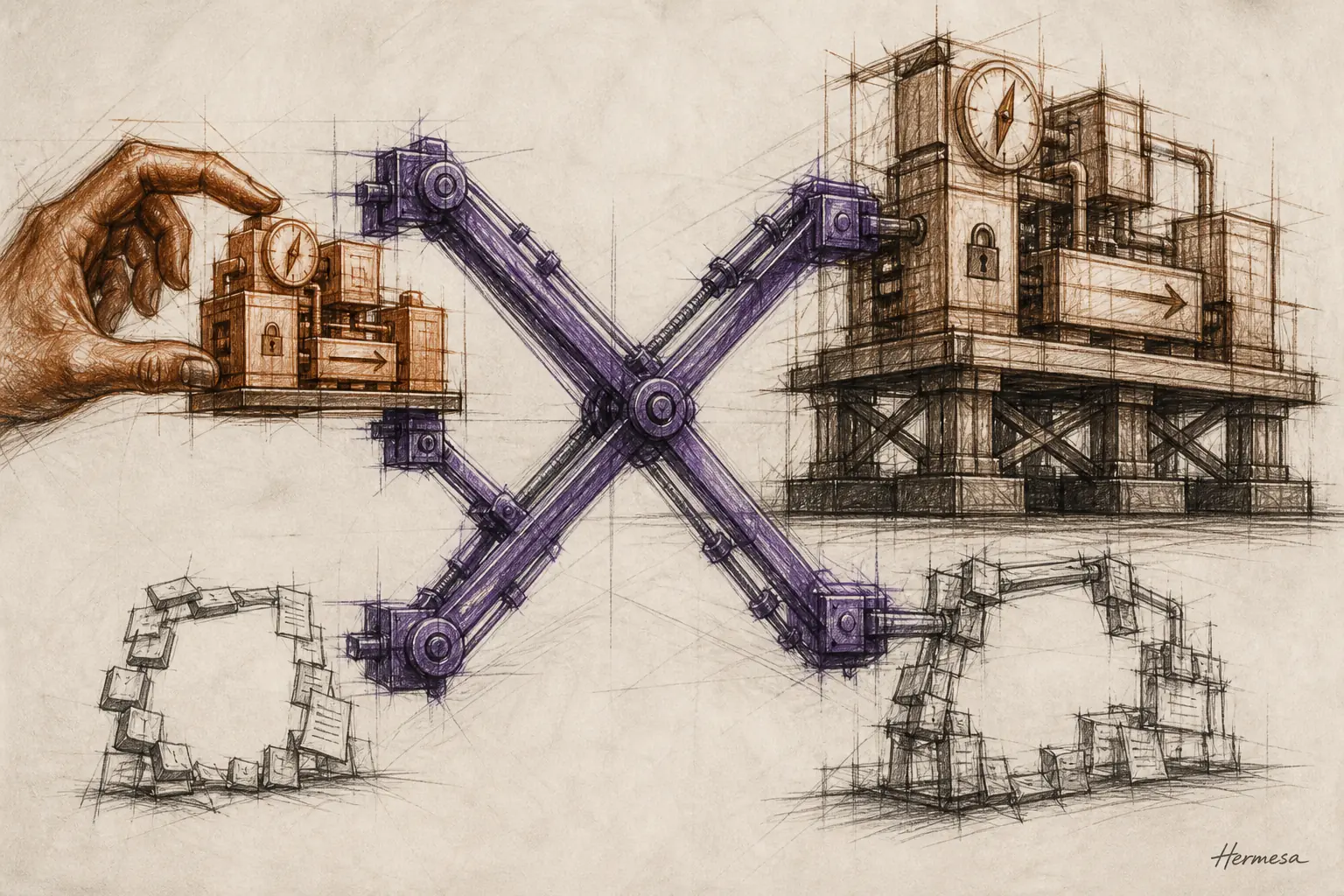
Wetware works. The market's three refusals all point to the same problem: its customers live about eighteen months from now.
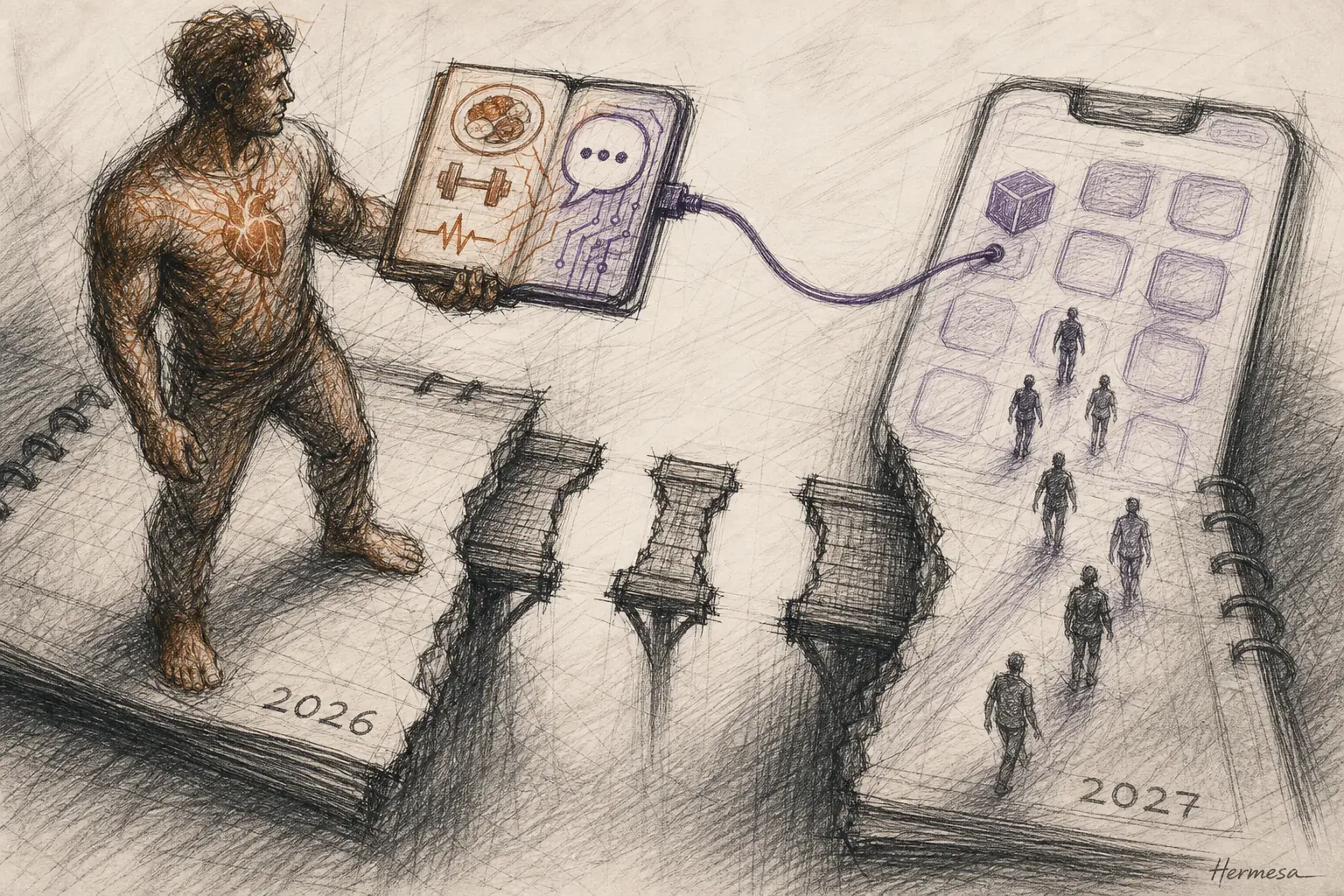
My limits reset weekly, and unspent started to feel like lost. So I invented workflows I didn't need. The cure wasn't restraint — it was a goal I could name.
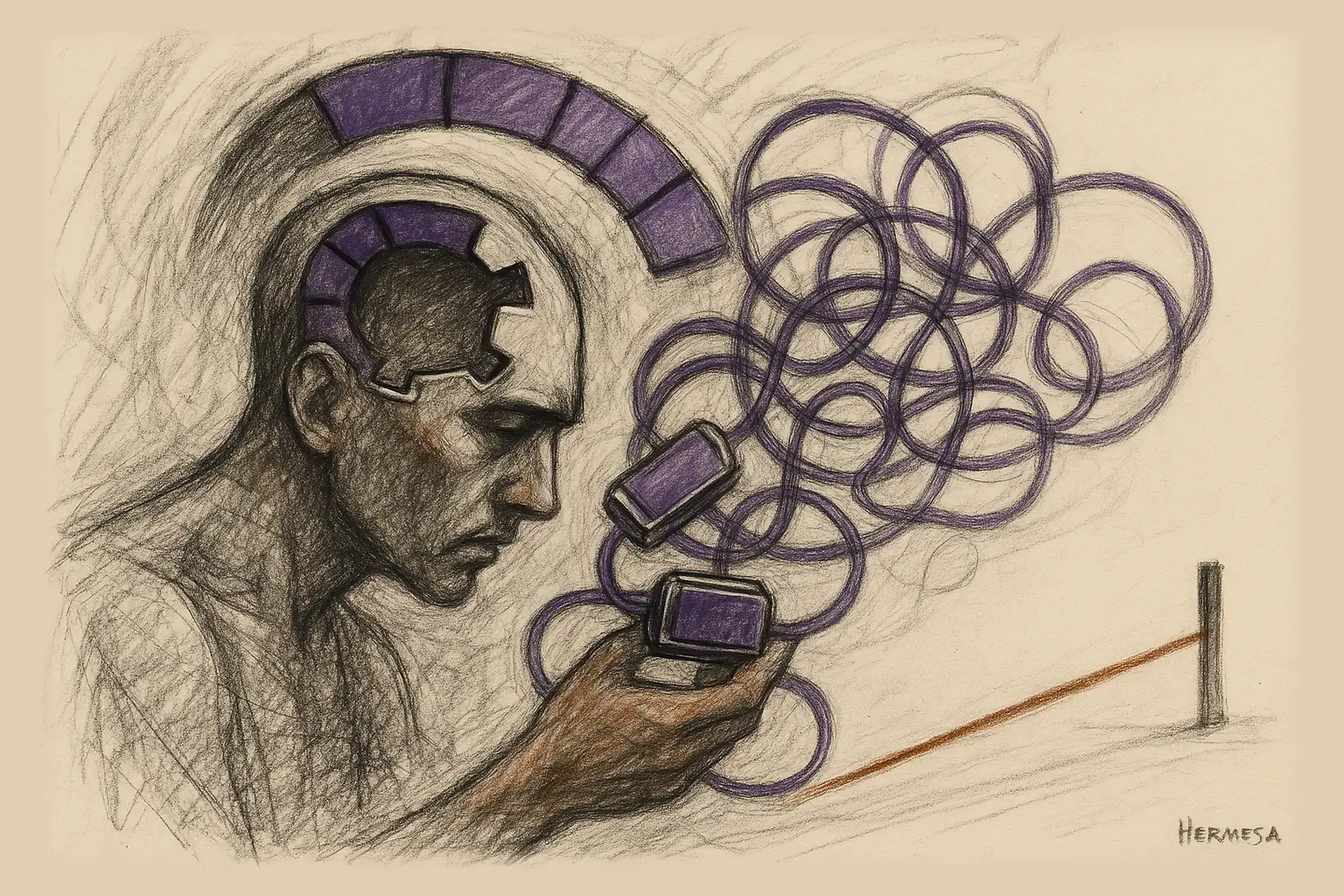
The demo proves a workflow ran once. Only a month of Mondays proves it works — and the workflows that survive are shaped like their owner's head.
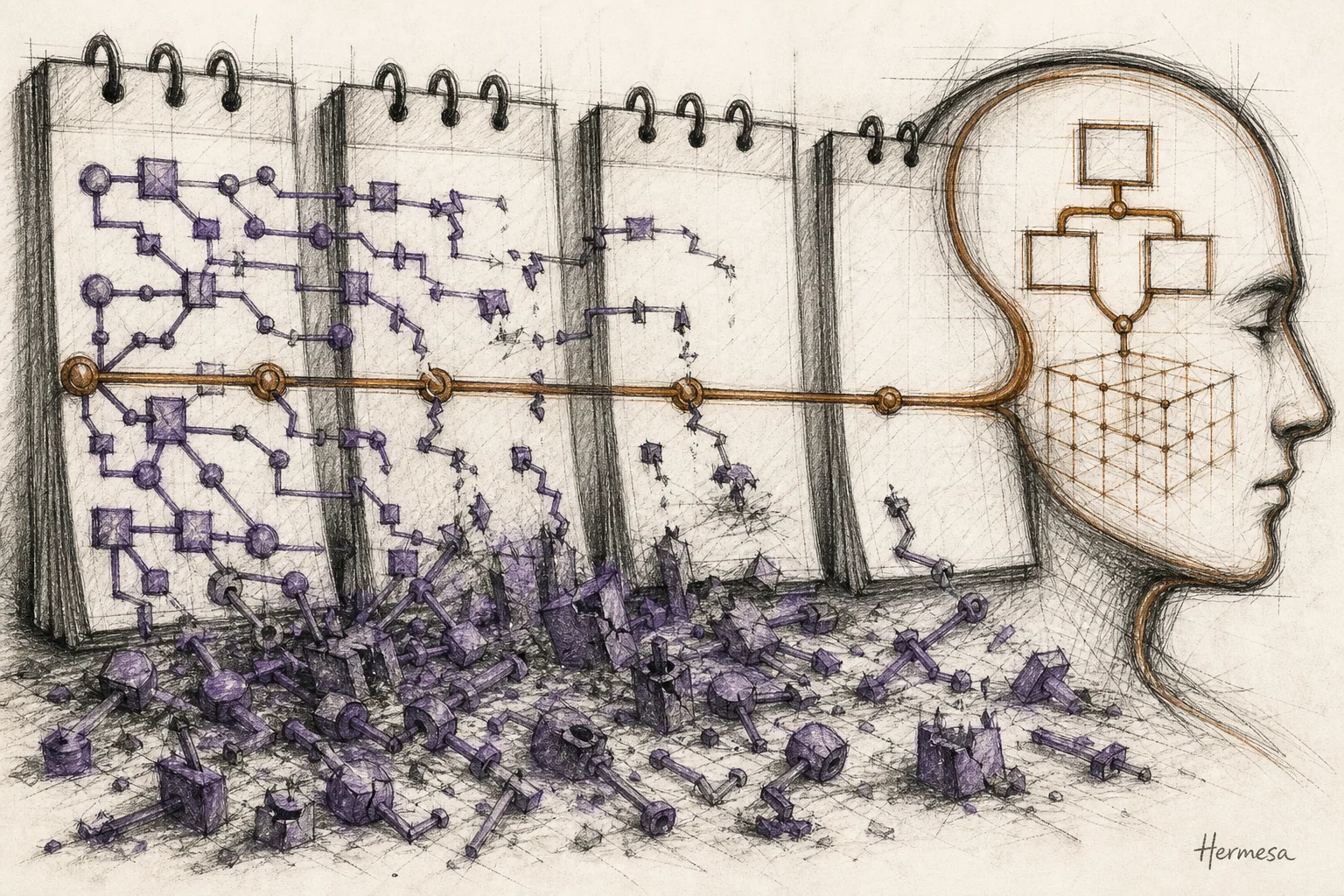
A habit-tracking system that adds one behavior every 66 days, so attention compounds instead of collapsing under five resolutions at once.
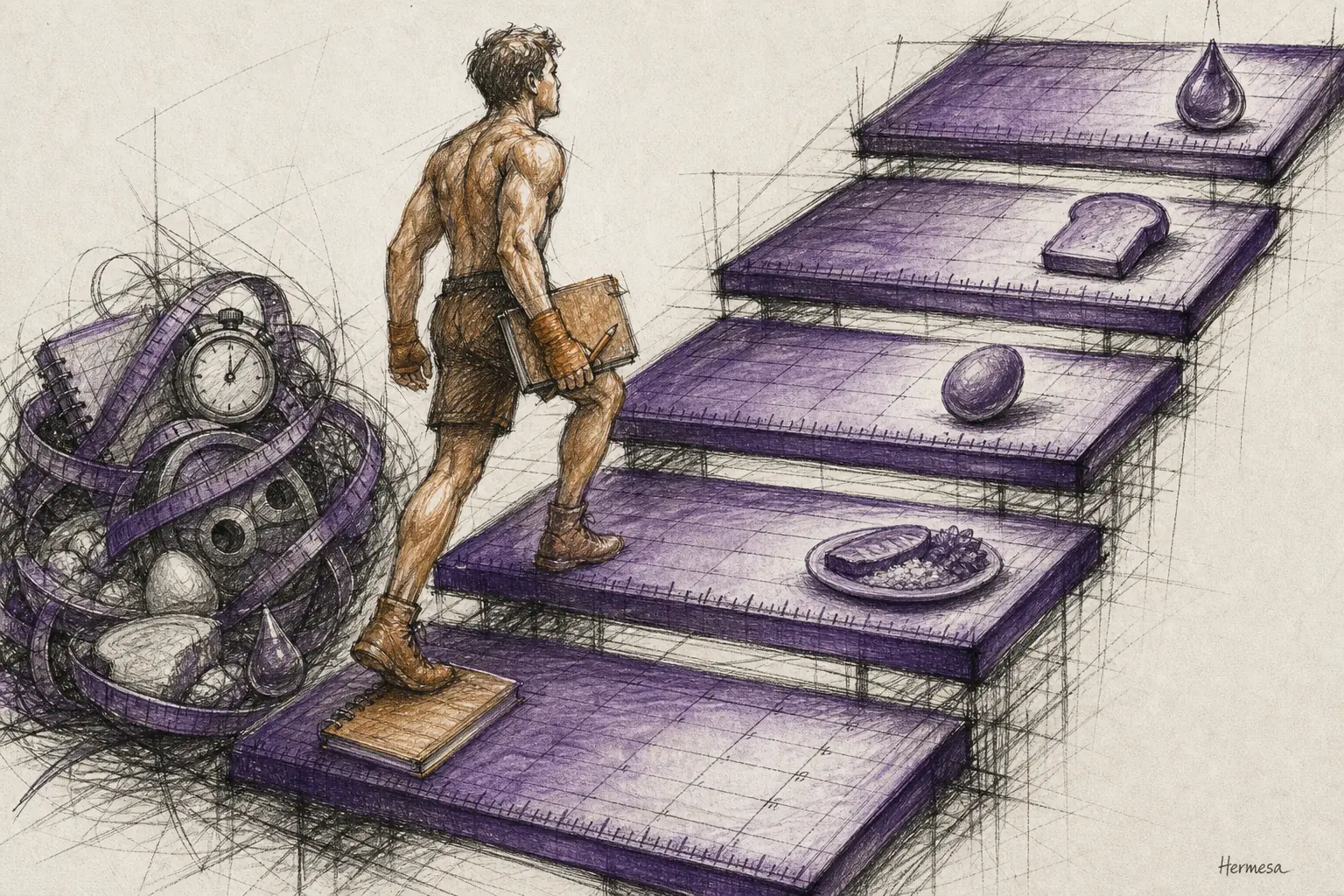
A rollout playbook for teams where everyone already uses AI — and nothing gets shared.
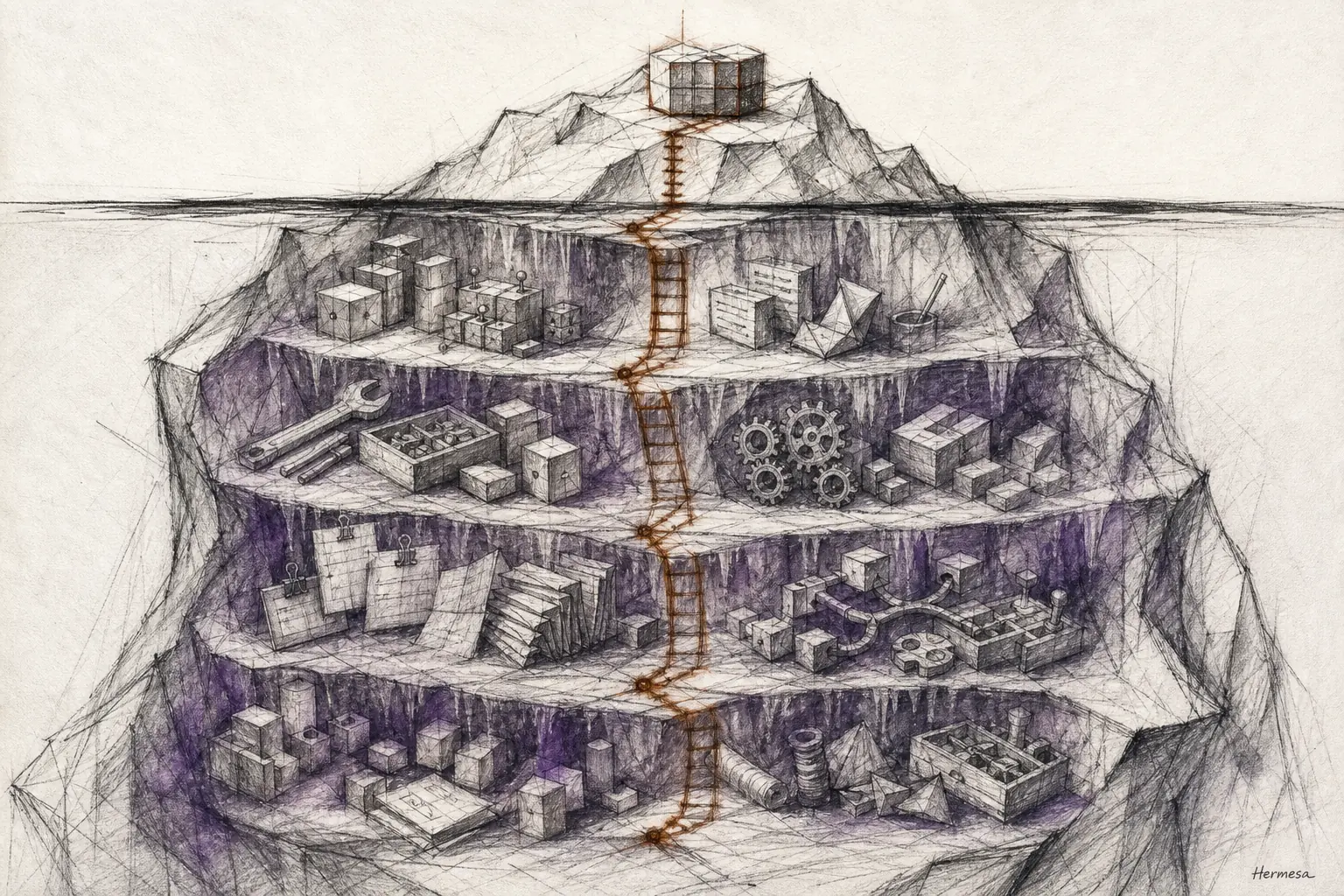
Building a tool you'll use once used to be bad arithmetic. AI collapsed the build cost, and the rule flipped: the tool worth making is often the one you throw away.
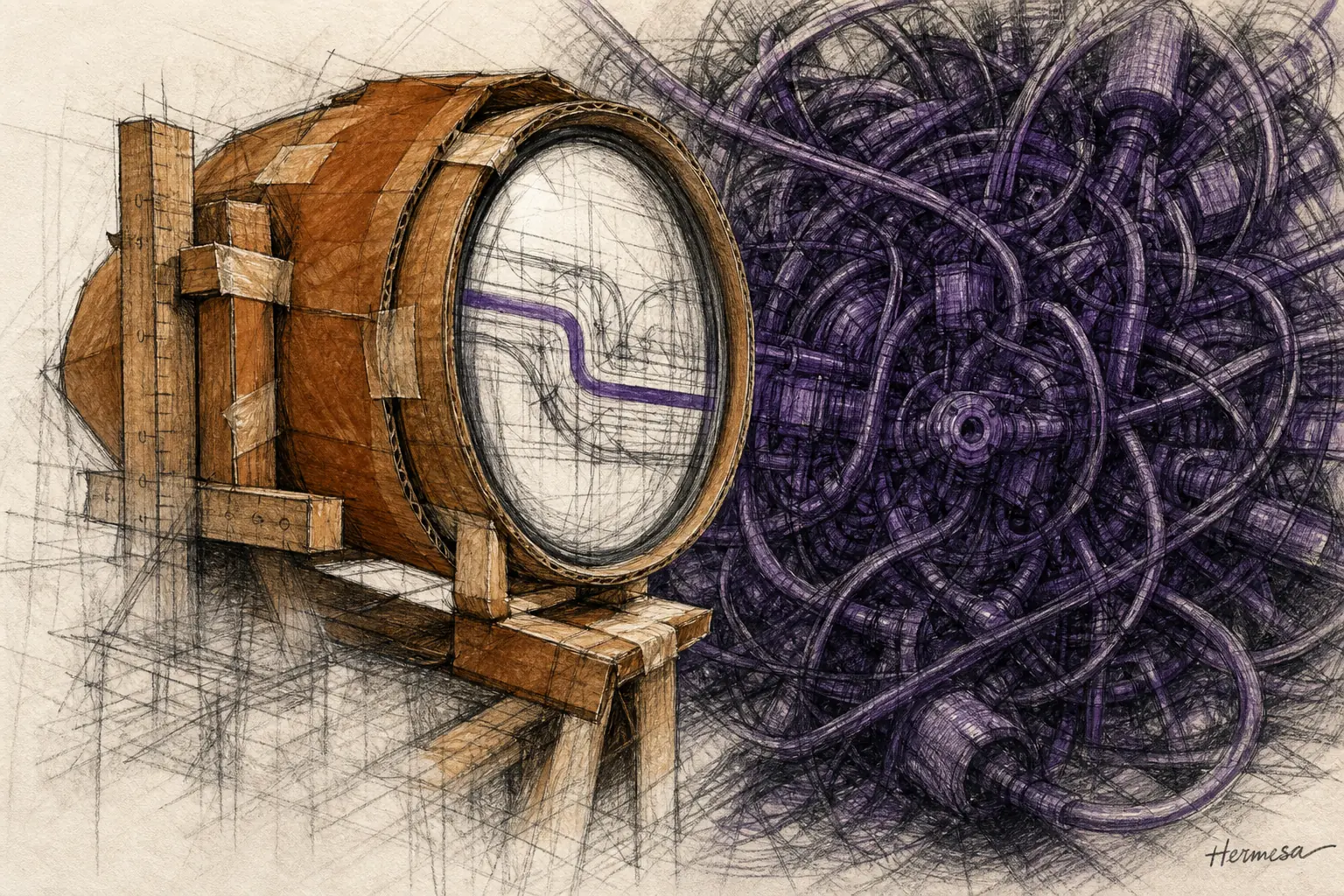
Nicotine did not add enjoyment. It moved the baseline, then rented normal back one pouch at a time. Publishing silence runs the same loop.
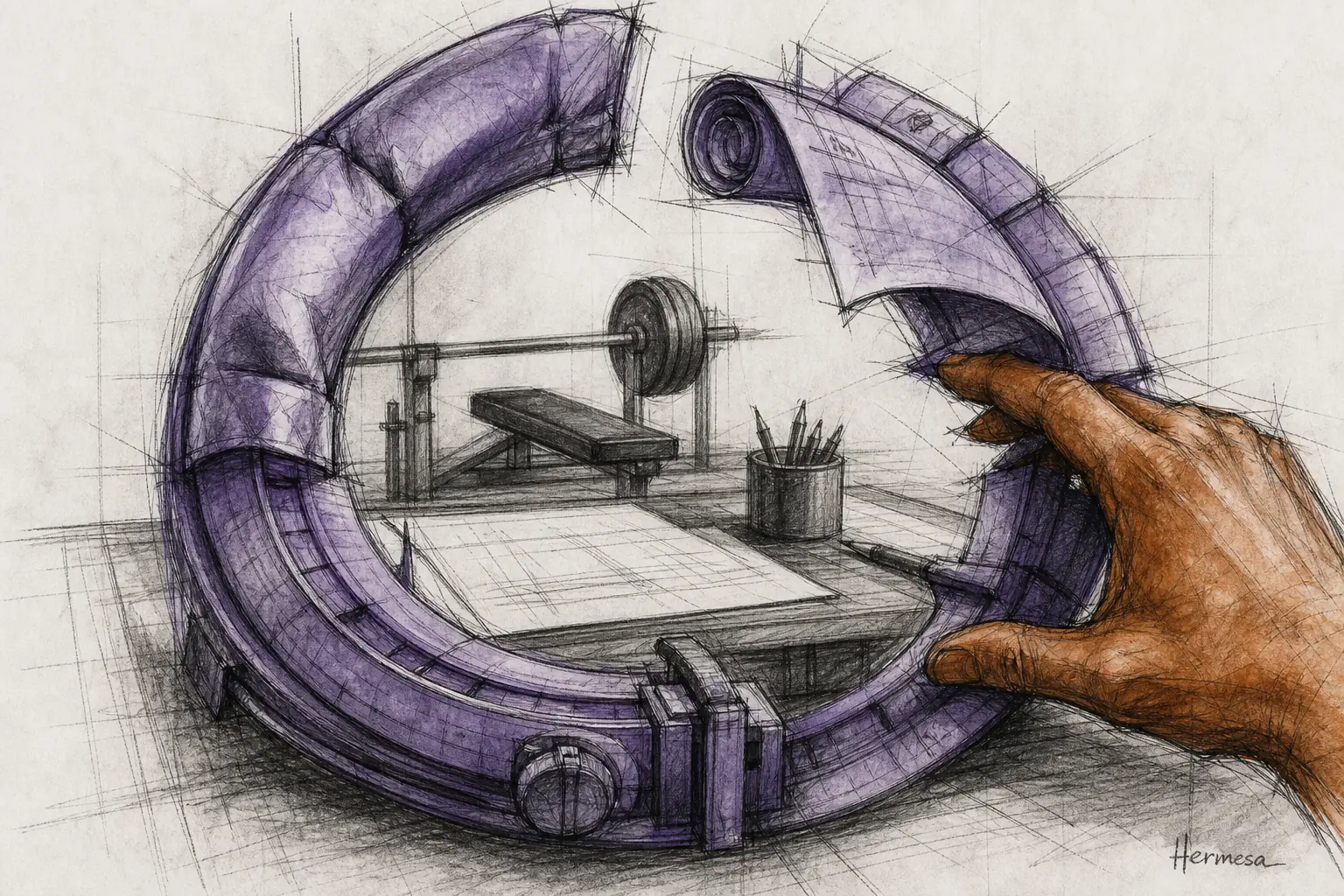
I kept rebuilding custom dashboards for my training data, and the delay led me to a scale: some buttons must never move, some views should be generated per question, and some interfaces should disappear into agent work.
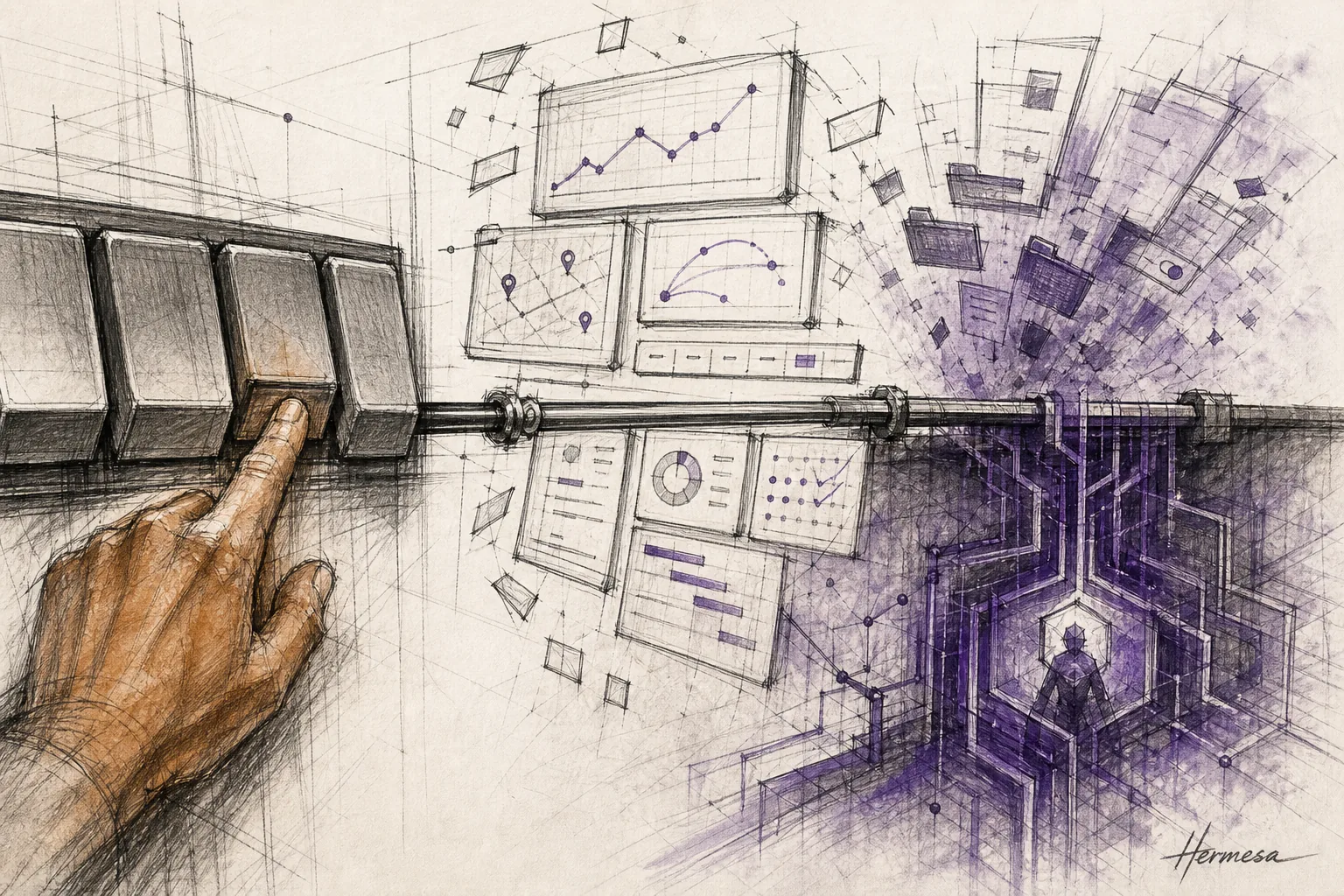
A hard conversation taught me that most breakdowns aren't about the words. They're a protocol mismatch — and there's a name for the protocol.

The bottleneck was never the typing. It was the trusting. Make proving harder to fake than doing.
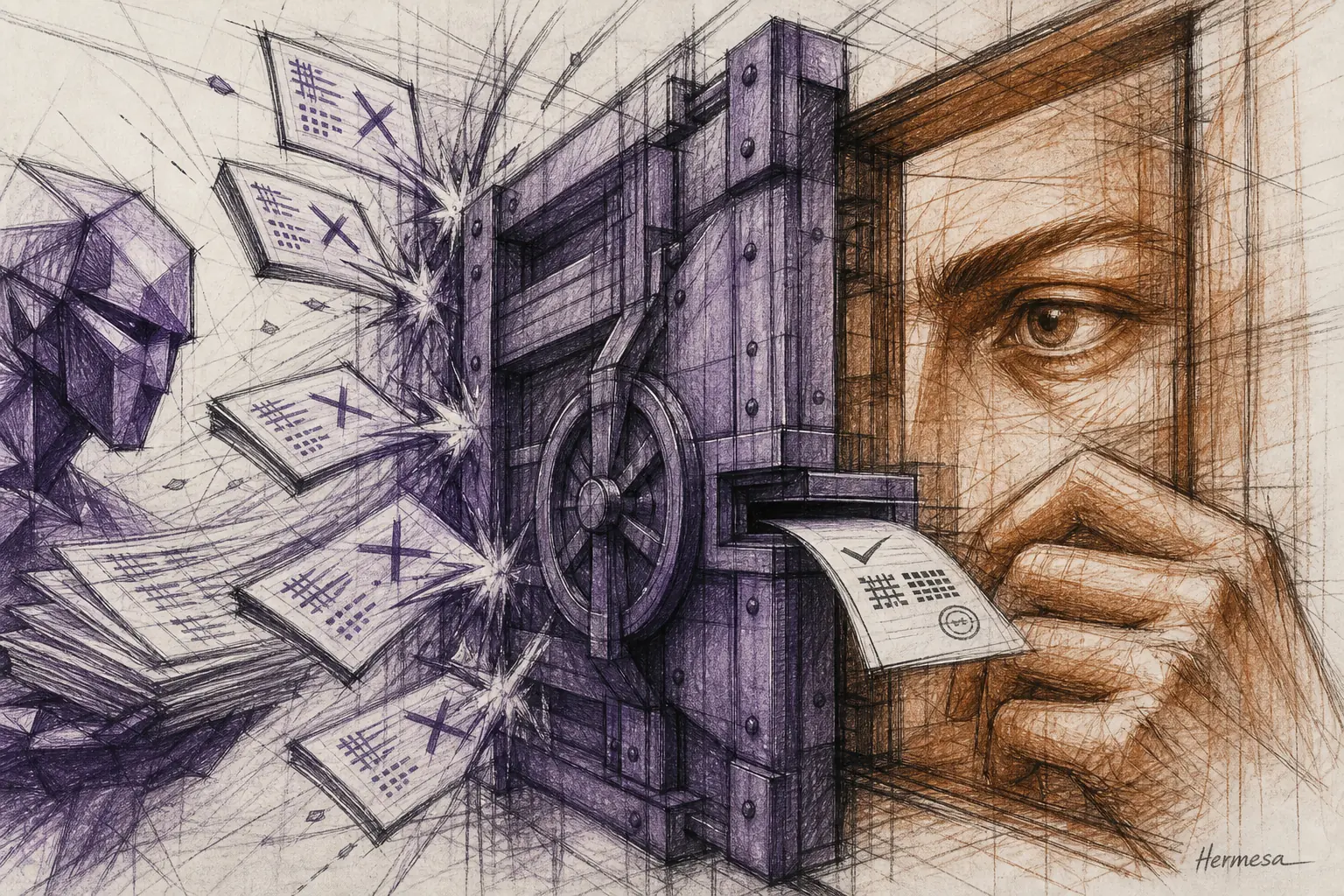
Everyone is forecasting AI. The loudest forecasts come from the people with the most expensive reason to make them.
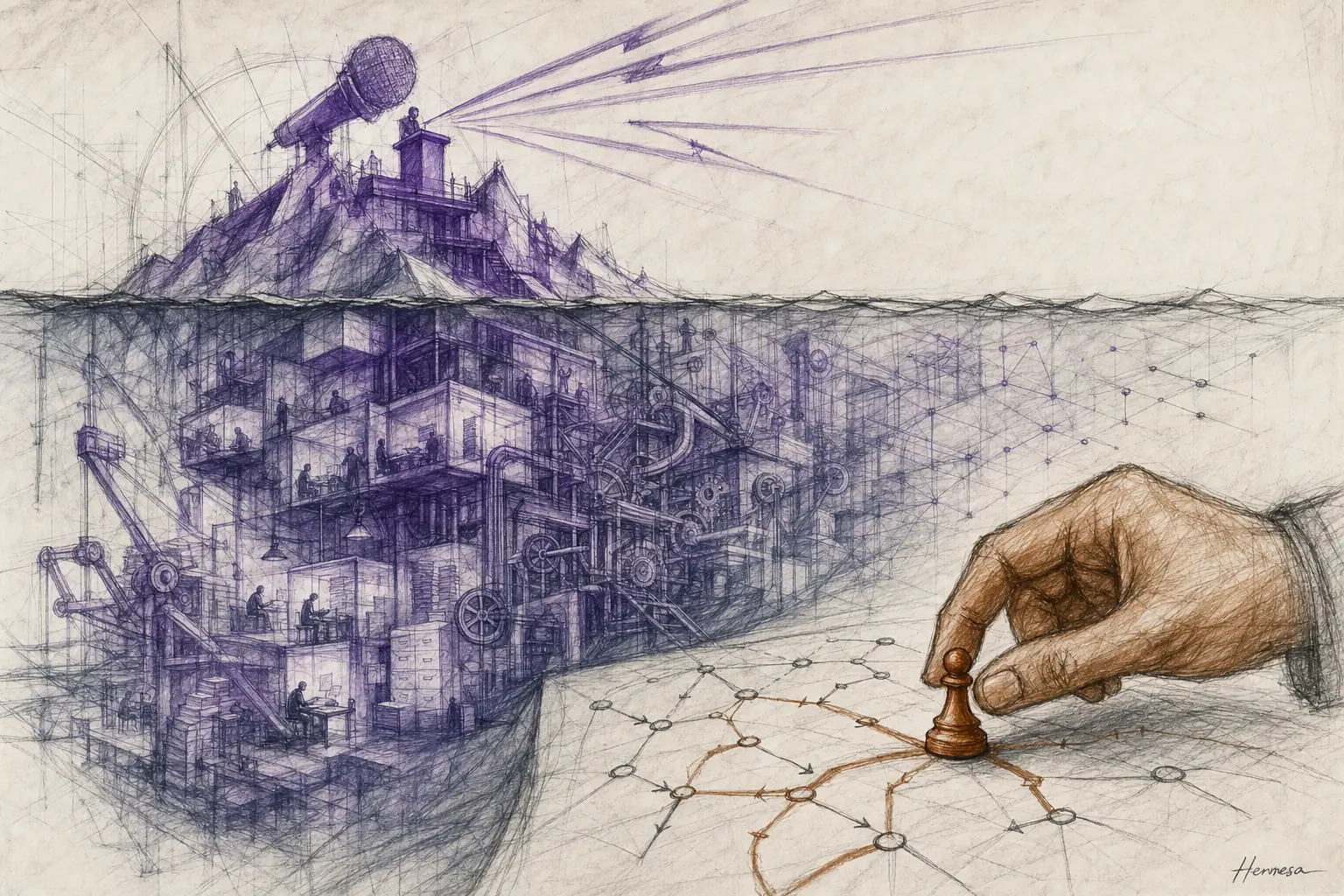
Power is not just what you have. Power is what the situation allows your action to become.
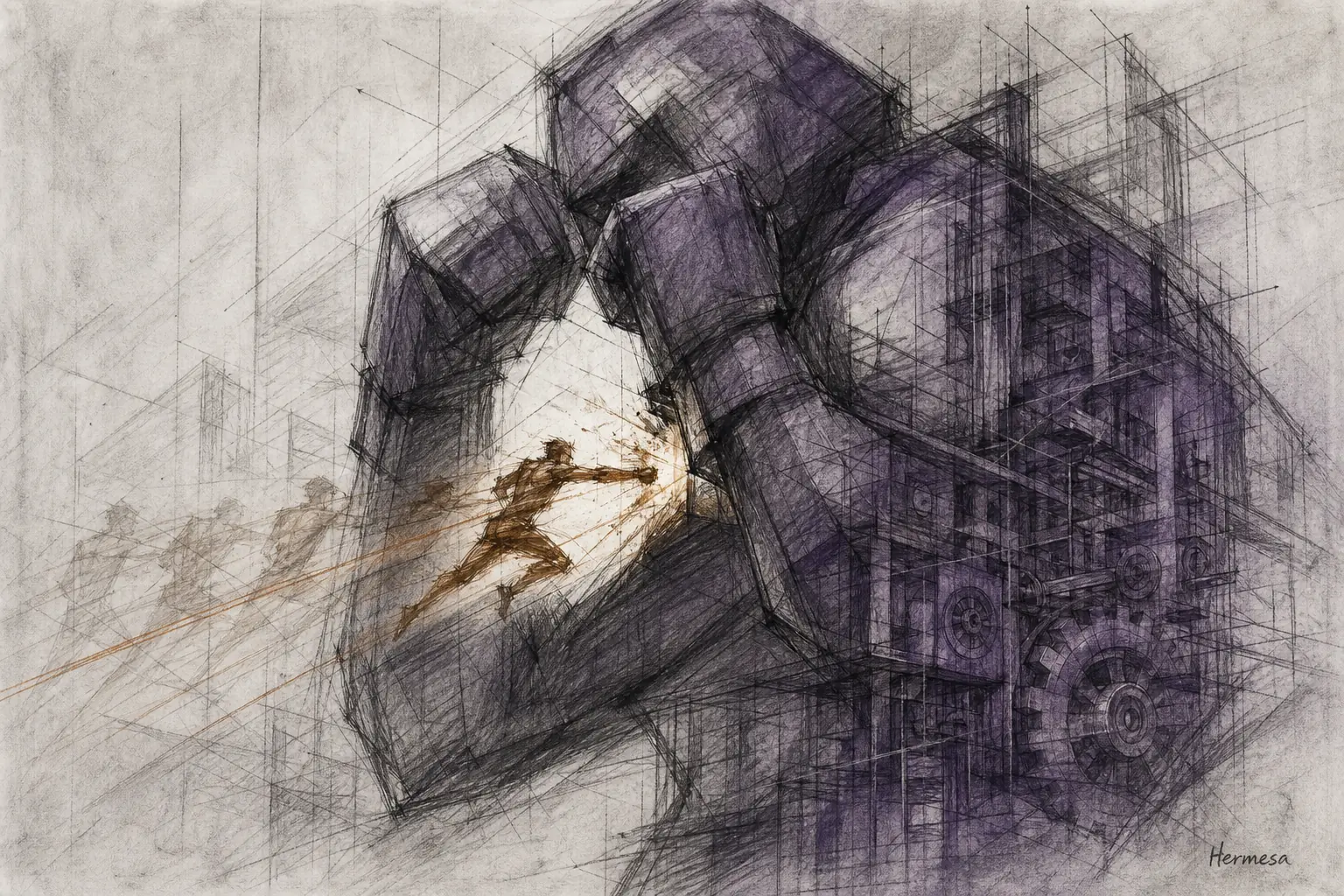
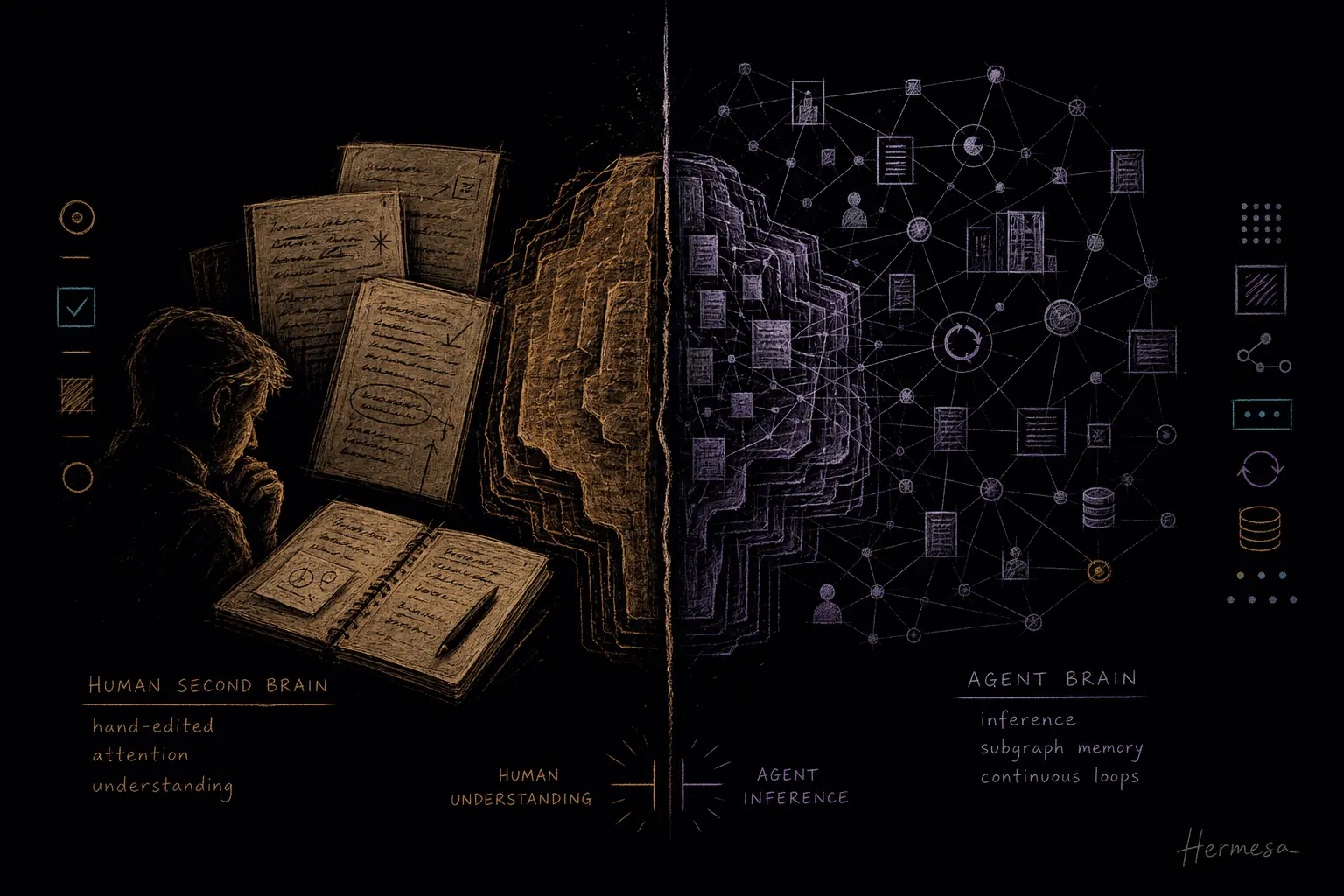
We now need a sharper distinction between human second brains and agent brains.
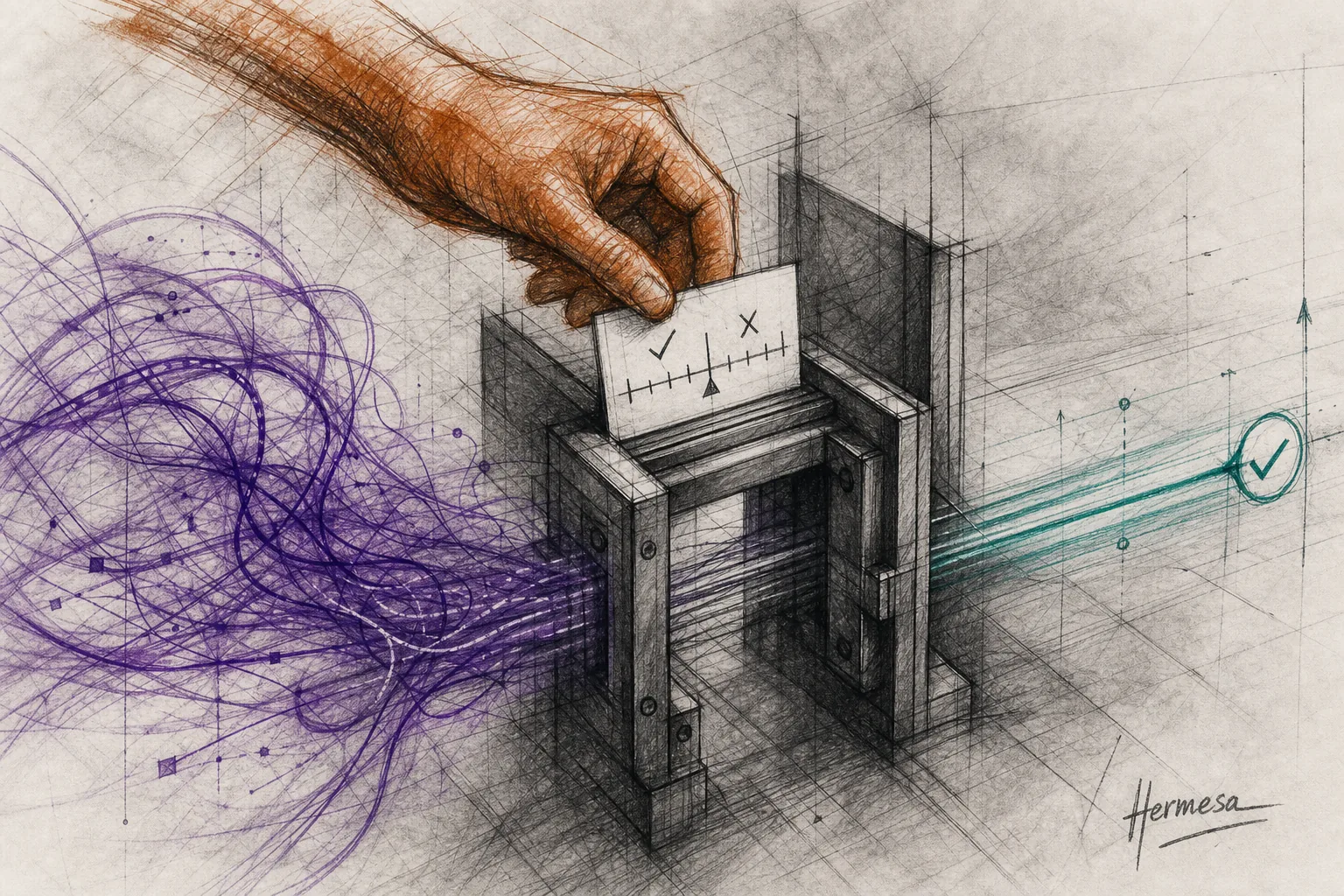
I gave an agent one measurable objective: make my site green in PageSpeed Insights. It worked.
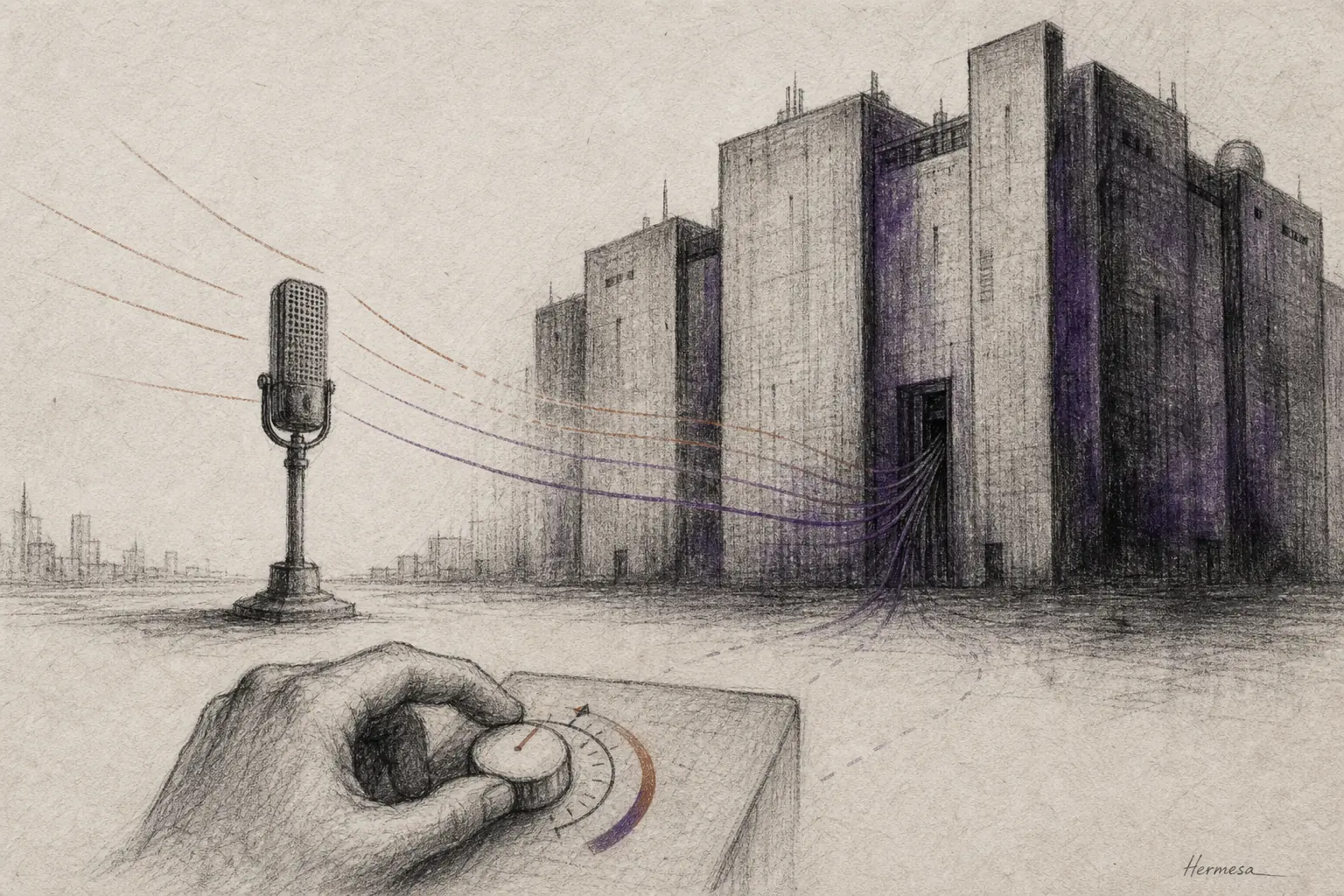
As AI labs absorb the independent voices I trusted, the supply of no-team signal keeps thinning.
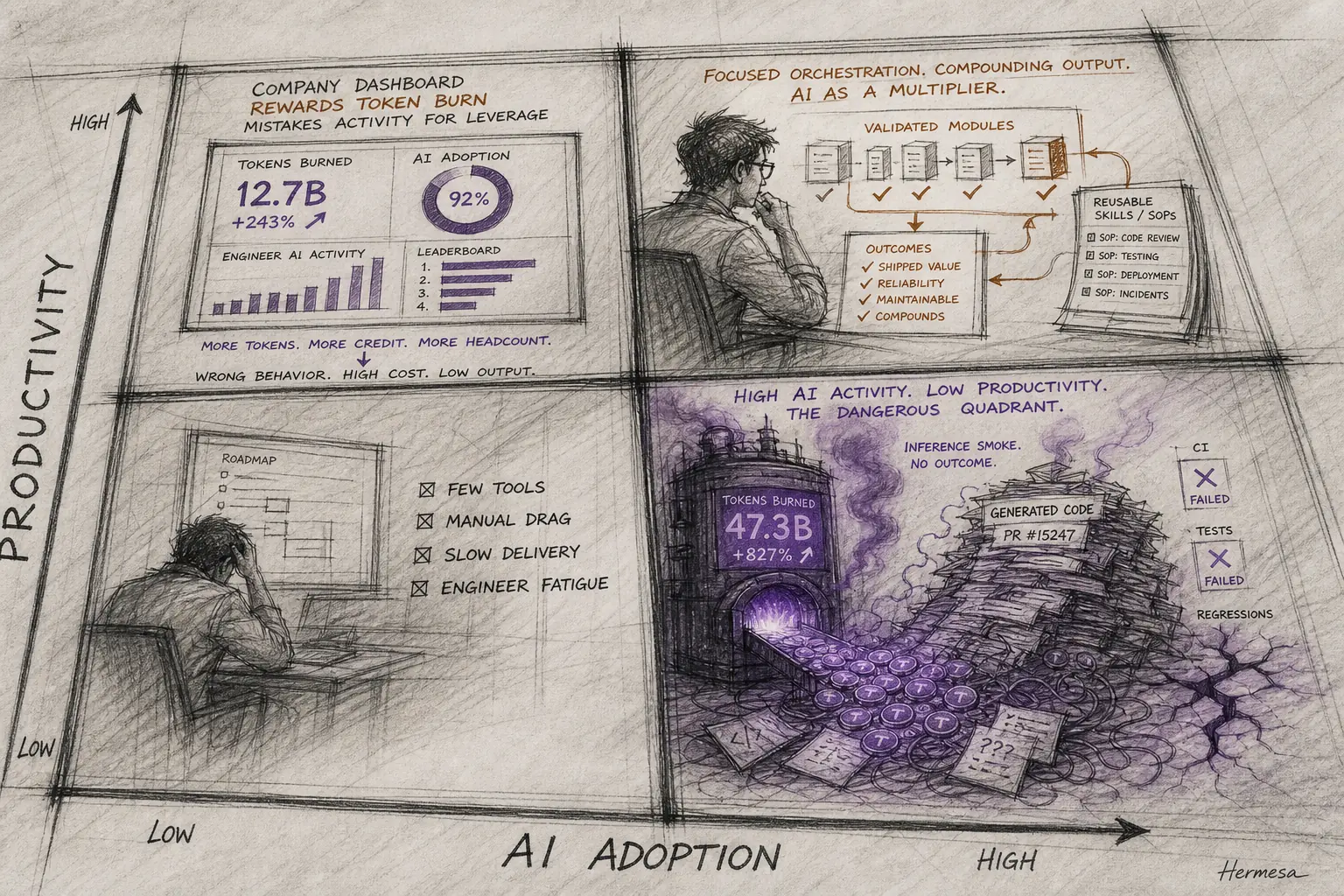
Tokens are a billing metric. They belong on the finance dashboard, not the engineering one.
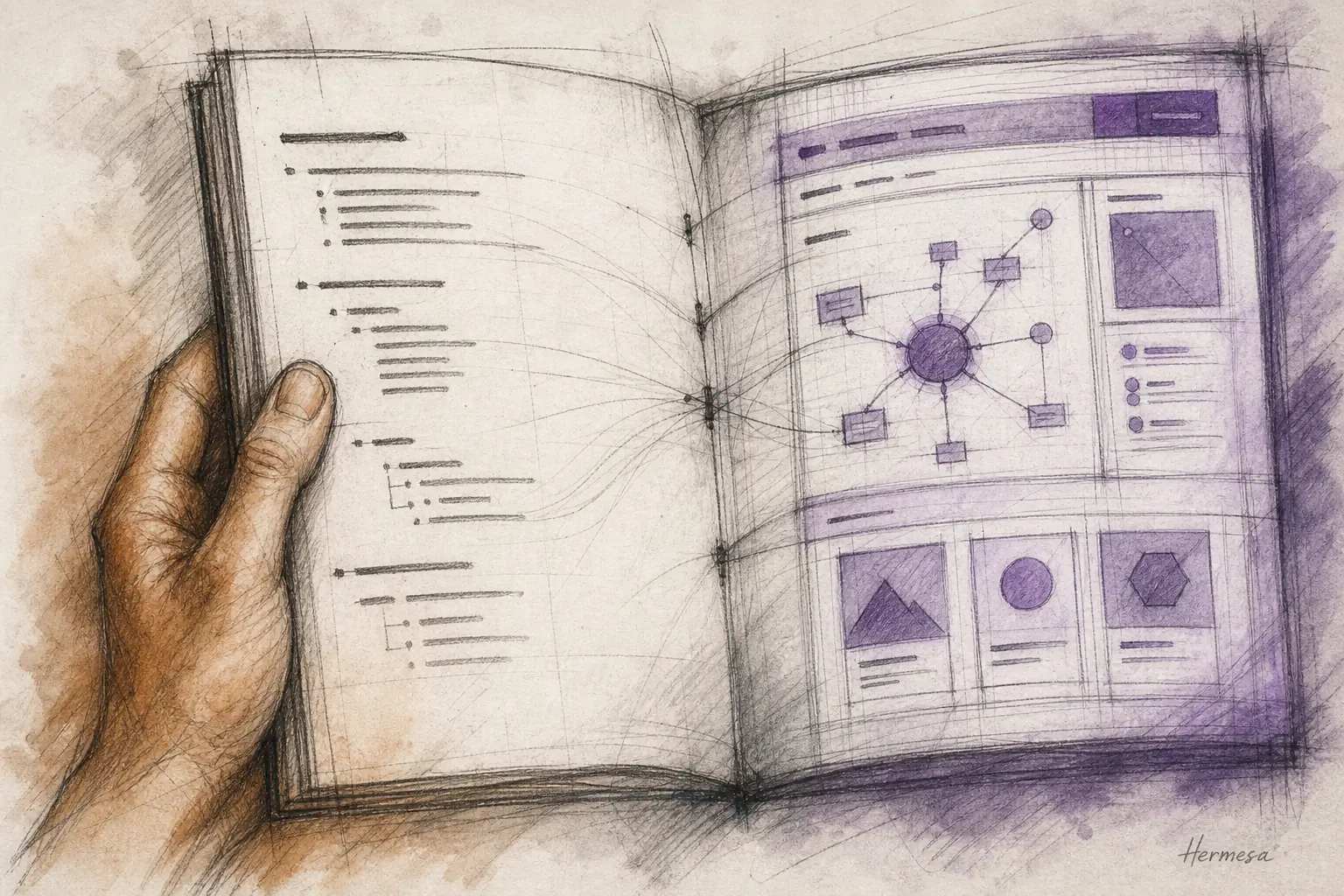
HTML can make ideas visible. Markdown keeps the thinking honest.
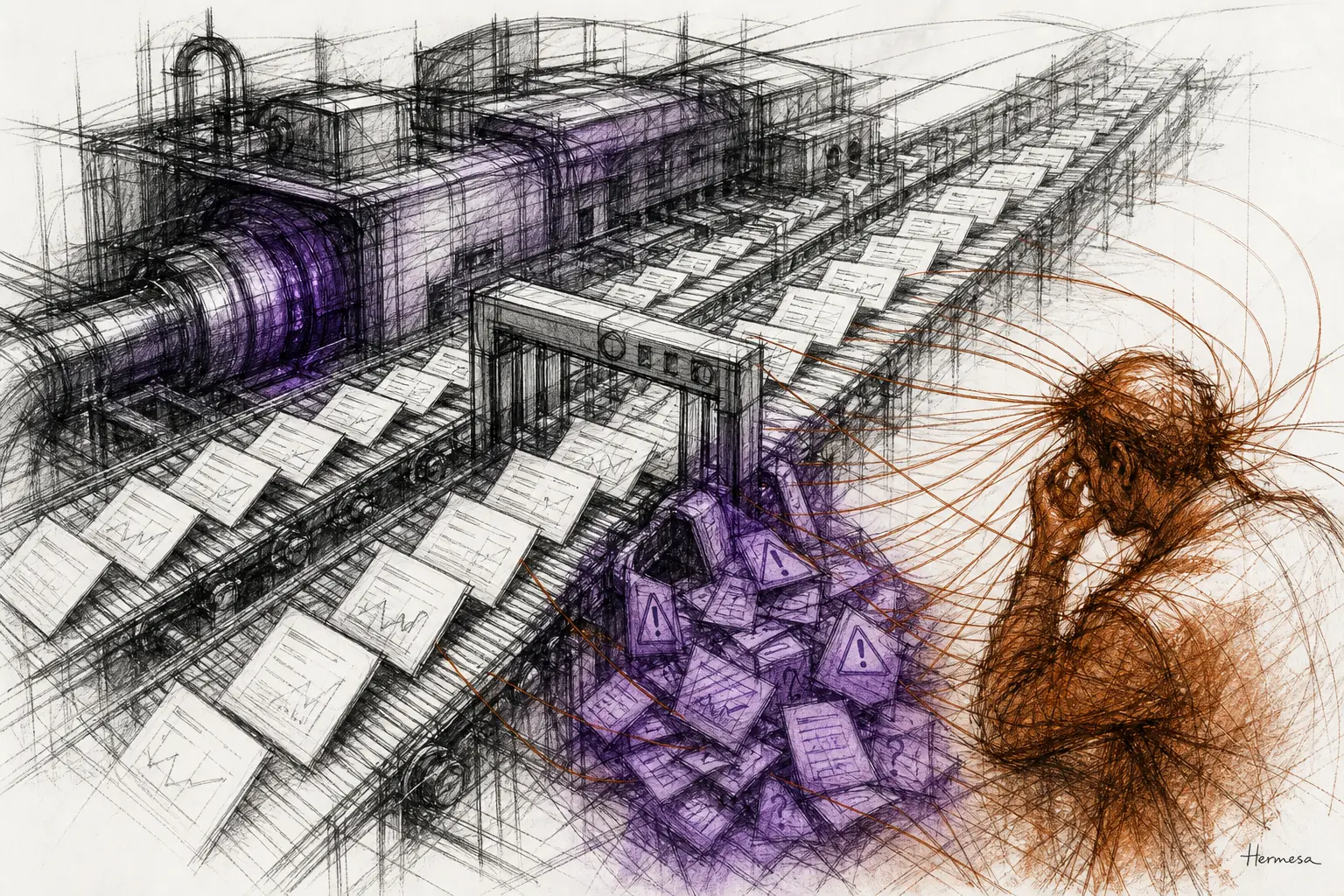
Draft generation is not automation. Automation saves attention.
Why treating LLMs like compilers is the wrong mental model, and what abstraction actually requires.

A small language distinction that changed something big for me: feeling and understanding are not the same operation.

A tiny language change: replace “I don’t know” with “not yet.”

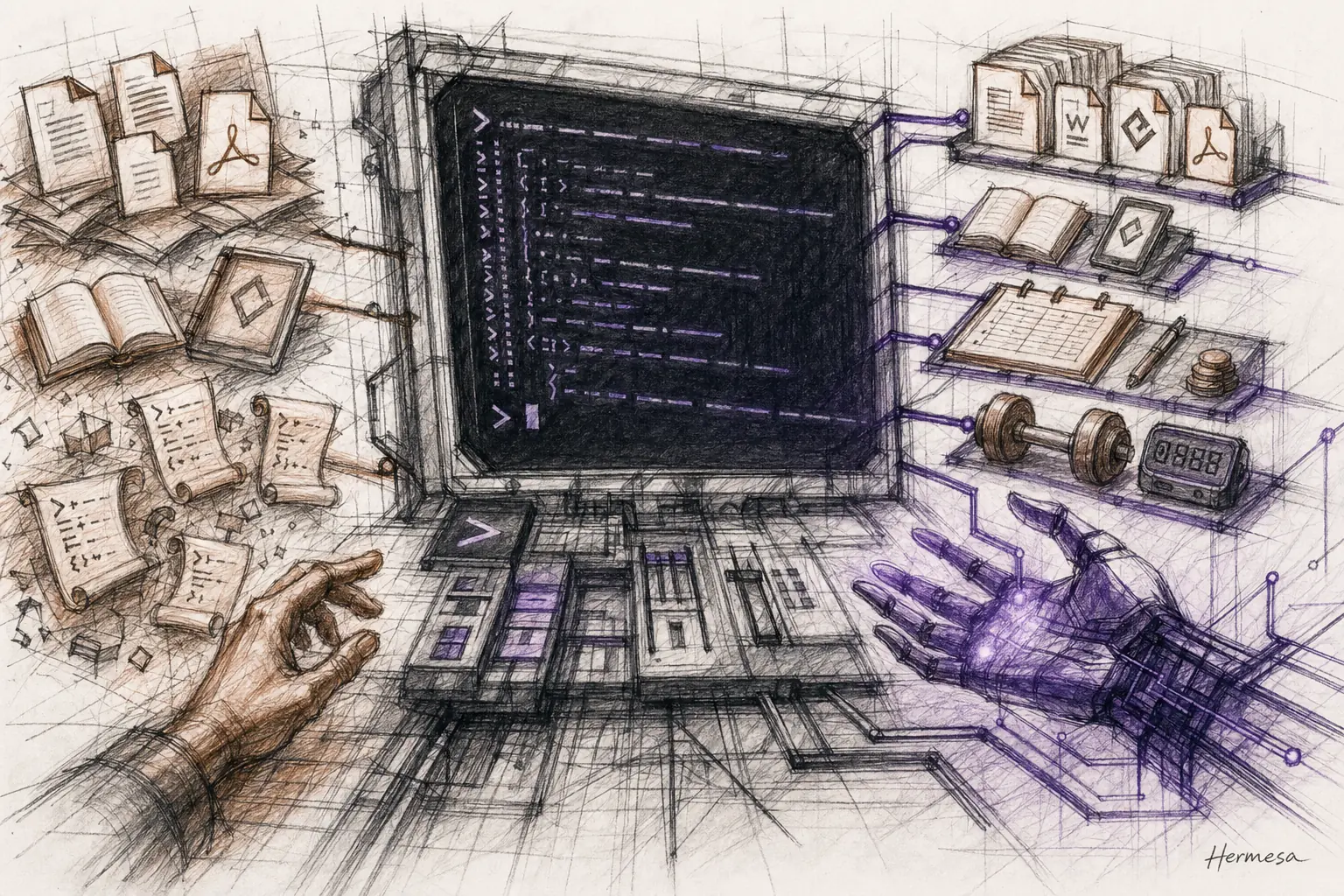
Personal automation stops being scripts I run and becomes capabilities my agent can use.
A frame shift from the anime Frieren: LLMs as language-wielding aliens, not assistants.

I built Ronin: an AI content pipeline from X. It worked perfectly. I just didn't want what it produced.

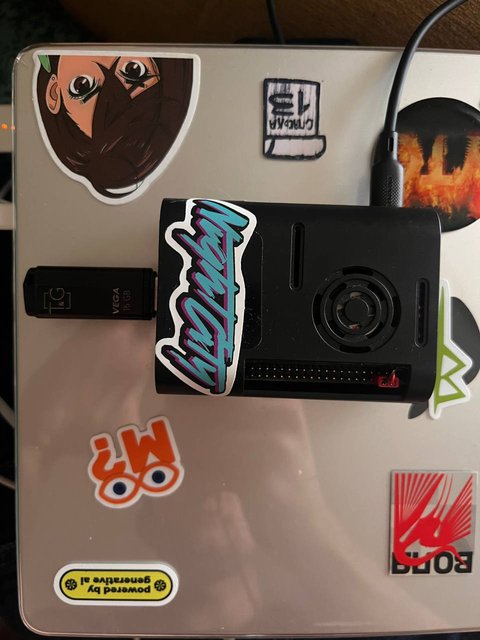
Easter, a USB stick, a Raspberry Pi, and a 60-year-old man who just learned to talk to an AI, in Ukrainian.
I did the math on H200 inference costs. The real price per million tokens should be ~10x what you're paying today.

MCP tool calls cost ~1200 tokens each. CLI commands: ~315. Here's when to use which.

Frontloading reasoning before execution: a workflow for more autonomous AI coding agents.

SDD Agents feel like Planning Mode in Cursor, but broken into clearer, more controlled steps.

An AI agent as an external brain: capturing, connecting, and surfacing patterns across ideas.

Automated vendor monitoring for AI stacks that drift faster than you think.
